Graves' disease is an autoimmune condition in which antibodies stimulate the thyroid to make too much thyroid hormone, producing hyperthyroidism. It speeds up metabolism and commonly causes a rapid heartbeat, anxiety, tremor, heat intolerance, and weight loss despite a normal or increased appetite. It is the most common cause of hyperthyroidism and is confirmed with a suppressed TSH, elevated free T4 or free T3, and thyroid-stimulating (TSI/TRAb) antibodies.
4.8 stars · 106 patient reviews
Dr. Hitendra H. Shah, MD · 40+ years · 5,000+ patients treated
Patients across Diamond Bar, Chino Hills, Walnut, Rowland Heights, Brea, and Pomona most often describe the following. You do not need all of them for Graves' disease to be worth evaluating.
Rapid or pounding heartbeat and palpitations
Anxiety, restlessness, and irritability
Unintended weight loss despite a good appetite
Heat intolerance and heavy sweating
Hand tremor
Trouble sleeping
Frequent or loose bowel movements
Muscle weakness, especially in the thighs and upper arms
Eye changes — bulging, grittiness, redness, or double vision
Neck swelling from an enlarged thyroid (goiter)
Our approach
How Dr. Shah approaches Graves' disease
Functional, whole-person care: comprehensive testing, a search for the underlying cause, careful medication optimization, and lifestyle and hormone support — delivered by one named specialist rather than a rotating hospital group.
Confirming the cause of hyperthyroidism
Not all overactive thyroid is Graves' disease. Dr. Shah distinguishes Graves' from thyroiditis, toxic nodules, and medication or supplement effects using TSH, free T4, free T3, TSI/TRAb antibodies, and imaging when indicated — because treatment differs for each.
Prompt symptom control and close monitoring
Hyperthyroidism affects the heart and bones, so evaluation is timely and follow-up is frequent while levels are changing. Treatment options are explained clearly, including their risks, so you can make an informed decision.
Coordinated care when other specialists are needed
Eye involvement, pregnancy, cardiac symptoms, or consideration of radioactive iodine or surgery call for coordination. Dr. Shah manages the medical side and arranges ophthalmology, cardiology, or surgical input rather than leaving you to assemble it yourself.
Whole-person recovery
Bone density, muscle loss, nutrition, sleep, stress, and hormone shifts are addressed as thyroid levels normalize, so recovery is not limited to a lab value.
A named specialist with decades of experience
More than 40 years in practice and over 5,000 patients treated means the same physician follows your case from diagnosis through stabilization.
This page is general health education about graves' disease (hyperthyroidism) and is not medical advice, a diagnosis, or a promise of any particular result. Treatment decisions, including any medication, are made individually during a visit.
Next step
When to see a thyroid specialist
Consider a focused evaluation in Diamond Bar if any of the following apply to you:
Your TSH is suppressed or undetectable on a blood test.
You have a fast or irregular heartbeat with tremor, sweating, or weight loss.
Your eyes are bulging, gritty, red, or you have double vision.
You are pregnant or planning pregnancy with hyperthyroid symptoms.
You are on antithyroid medication and levels have not stabilized.
Seek emergency care for high fever, confusion, chest pain, or a very rapid heart rate.
Answers
Graves' disease: questions patients ask
What causes Graves' disease?
Graves' disease is caused by antibodies that stimulate the thyroid's TSH receptor, driving it to overproduce hormone. Genetics, other autoimmune conditions, smoking, and periods of significant stress or postpartum change all increase risk. It is an immune-system condition, not something caused by diet alone.
Can Graves' disease go into remission?
Yes. A meaningful share of patients treated with antithyroid medication for 12 to 18 months achieve remission, though relapse is possible and lifelong monitoring is recommended. Radioactive iodine and surgery are more definitive but often lead to hypothyroidism requiring thyroid hormone replacement.
What tests diagnose Graves' disease?
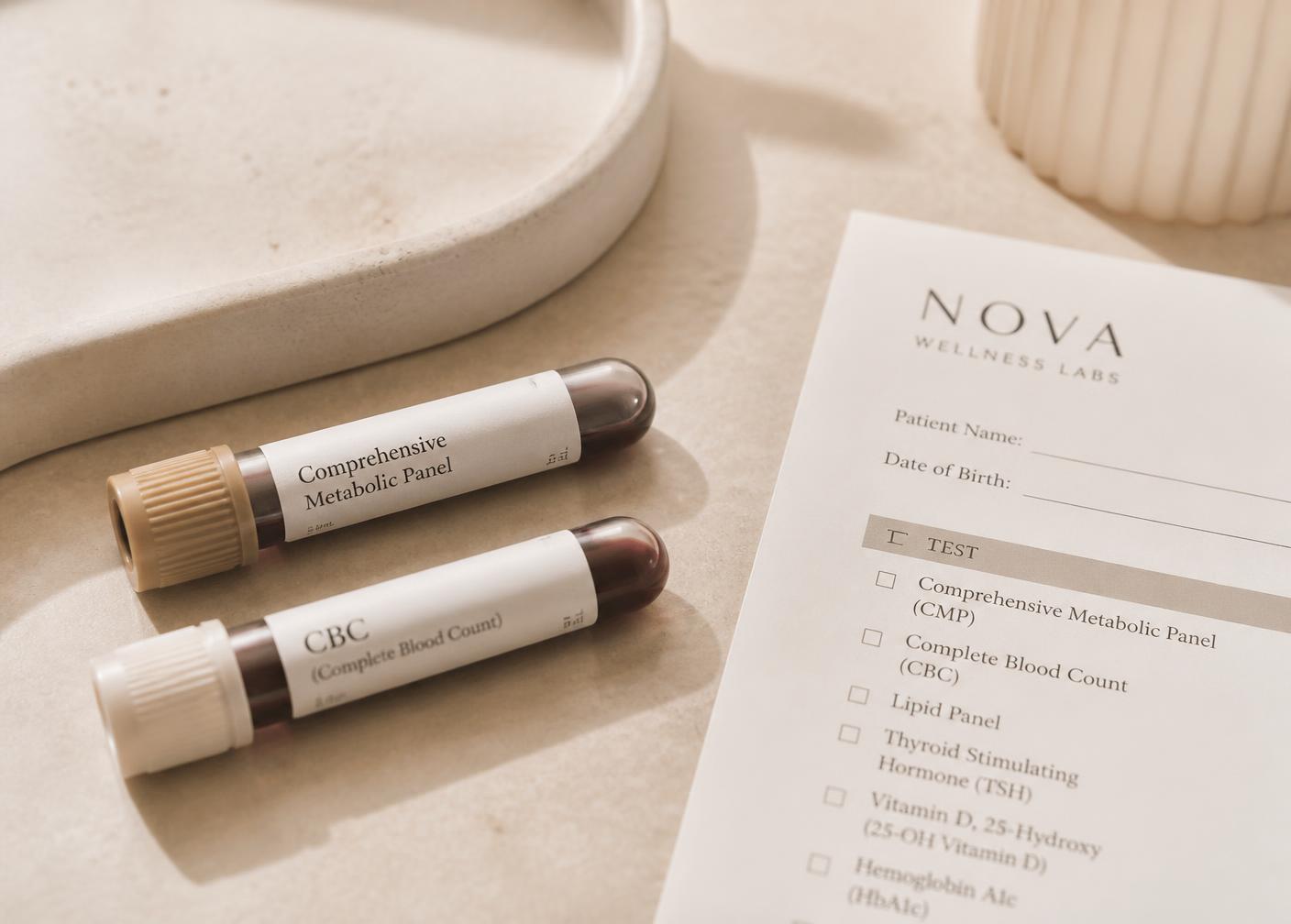
A suppressed TSH with an elevated free T4 or free T3 confirms hyperthyroidism, and thyroid-stimulating immunoglobulin (TSI) or TSH receptor antibodies (TRAb) confirm that Graves' disease is the cause. A radioactive iodine uptake scan or thyroid ultrasound may be used when antibody results are unclear.
Does Graves' disease affect the eyes?
About one in four patients develops thyroid eye disease, with grittiness, redness, swelling, bulging, or double vision. It can appear before, during, or after thyroid treatment. Stopping smoking is the single most important thing a patient can do to reduce that risk, and eye symptoms warrant prompt ophthalmology evaluation.
Is hyperthyroidism dangerous if untreated?
Untreated hyperthyroidism can lead to atrial fibrillation, heart failure, osteoporosis, and — rarely — thyroid storm, a medical emergency. This is why an overactive thyroid is evaluated promptly rather than watched indefinitely.
Can you have Graves' disease and Hashimoto's?
Both are autoimmune thyroid conditions and antibodies for each can be present in the same person, with thyroid function shifting over time. That is one reason antibody testing and repeat labs matter rather than a single snapshot.