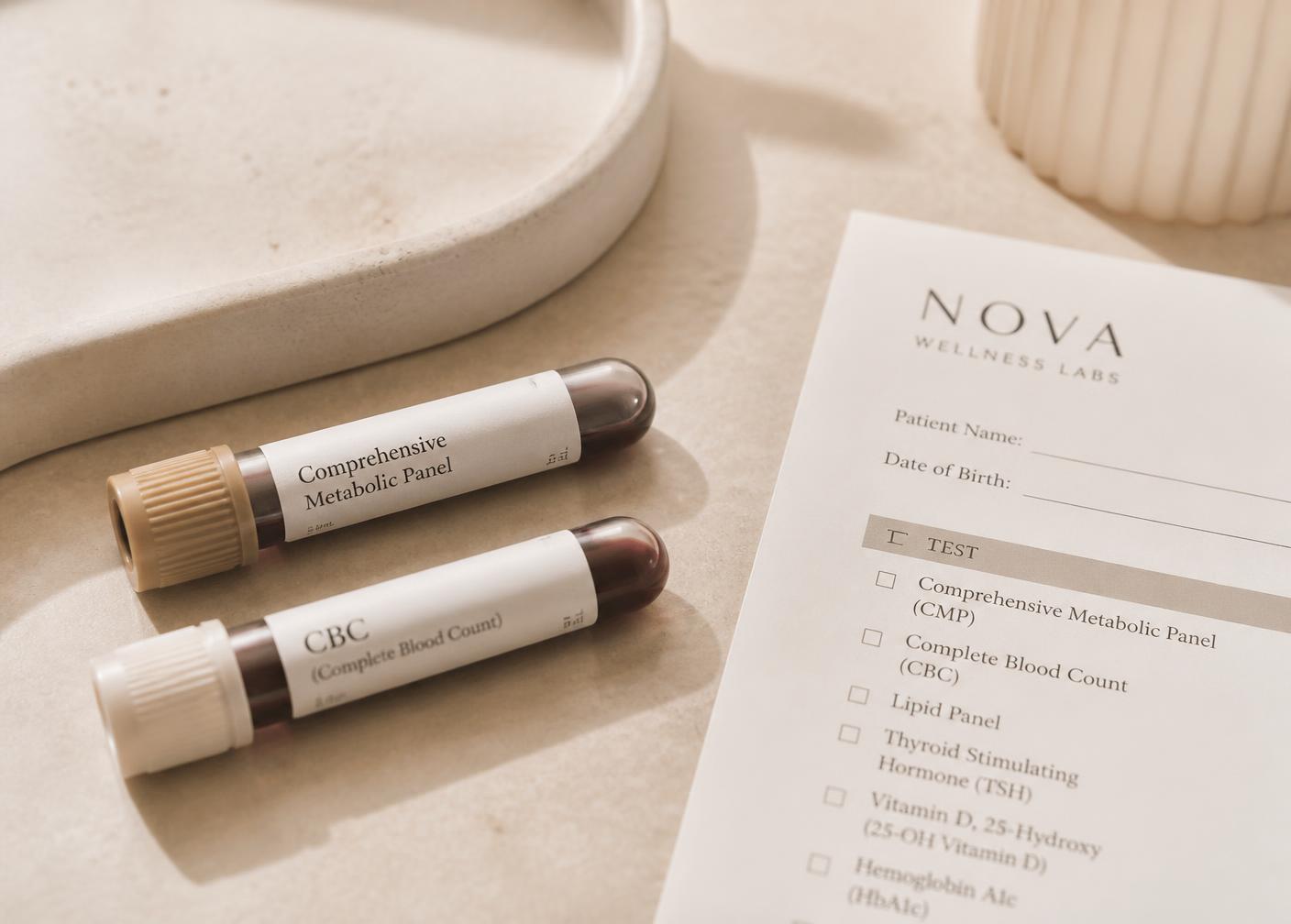
Hormone imbalance describes a pattern in which one or more of the body's hormones — thyroid, cortisol, insulin, estrogen, progesterone, or testosterone — are too high, too low, or out of rhythm with each other. Because these systems are interconnected, symptoms such as fatigue, weight change, poor sleep, low libido, and mood shifts often overlap and are rarely explained by a single hormone. Evaluation requires testing the systems together and interpreting them alongside symptoms, life stage, and metabolic health.
4.8 stars · 106 patient reviews
Dr. Hitendra H. Shah, MD · 40+ years · 5,000+ patients treated
Patients across Diamond Bar, Chino Hills, Walnut, Rowland Heights, Brea, and Pomona most often describe the following. You do not need all of them for Hormone imbalance to be worth evaluating.
Fatigue and low stamina through the day
Weight gain, especially around the midsection
Poor sleep or waking at 2–4 a.m.
Hot flashes and night sweats
Low libido
Mood swings, anxiety, or low mood
Brain fog and difficulty concentrating
Irregular, heavy, or absent periods
Hair thinning or unwanted hair growth
Low motivation and reduced muscle mass
Our approach
How Dr. Shah approaches Hormone imbalance
Functional, whole-person care: comprehensive testing, a search for the underlying cause, careful medication optimization, and lifestyle and hormone support — delivered by one named specialist rather than a rotating hospital group.
Testing the systems together
Thyroid (TSH, free T4, free T3, antibodies), sex hormones, cortisol patterns, and metabolic markers such as fasting insulin, A1c, and lipids are reviewed as one picture. Testing one hormone in isolation is the most common reason people are told everything is normal while still feeling unwell.
Root cause before prescriptions
Sleep debt, chronic stress, insulin resistance, nutrient deficiency, medications, and untreated thyroid disease all mimic and worsen hormonal symptoms. Those are identified and addressed first so any hormone therapy is added for the right reason.
Individualized hormone and medication optimization
When treatment is appropriate, it is chosen for your history, risks, and goals, then reassessed with follow-up labs and a symptom review. No guaranteed outcomes, no one-size-fits-all protocol, and no dosing decisions made without an exam.
Lifestyle as part of the plan
Nutrition, resistance training, sleep, and stress management have measurable hormonal effects and are built into the plan rather than mentioned in passing.
Time with one physician
Hormonal symptoms take a real conversation to untangle. Dr. Shah's 40+ years and 5,000+ patients treated mean you get that conversation with the same doctor each visit, not a rotating hospital group.
This page is general health education about hormone imbalance and is not medical advice, a diagnosis, or a promise of any particular result. Treatment decisions, including any medication, are made individually during a visit.
Next step
When to see a thyroid specialist
Consider a focused evaluation in Diamond Bar if any of the following apply to you:
Symptoms have lasted more than a few months and are affecting daily life.
You were told your labs are 'normal' but you still do not feel right.
You are in perimenopause or menopause and symptoms are disruptive.
Your periods changed significantly or stopped before age 45.
You have low libido, low energy, and loss of muscle mass.
You are considering hormone therapy and want a full evaluation first.
Answers
Hormone imbalance: questions patients ask
How does stress affect thyroid health?
Chronic stress affects adrenal function, which is closely tied to thyroid performance and to how well the body converts T4 into active T3. Supporting the stress response — sleep, recovery, and adrenal support — is part of restoring thyroid function, not an afterthought.
What are the signs of a hormone imbalance?
The most common signs are persistent fatigue, unexplained weight change, poor or interrupted sleep, hot flashes or night sweats, low libido, mood swings, brain fog, and irregular periods. Because these overlap with thyroid disease, anemia, and sleep disorders, blood testing is needed to identify which system is involved.
What tests check for hormone imbalance?
A typical evaluation includes a full thyroid panel (TSH, free T4, free T3, thyroid antibodies), sex hormones such as estradiol, progesterone, testosterone, FSH and LH, cortisol, and metabolic markers including fasting glucose, insulin, A1c, and a lipid panel. Vitamin D, ferritin, and B12 are frequently added because deficiencies produce identical symptoms.
Can thyroid problems cause hormone imbalance?
Yes. Thyroid dysfunction affects menstrual cycles, fertility, libido, cortisol handling, and metabolism, and hypothyroidism is a common hidden reason for symptoms attributed to menopause. This is why thyroid testing is part of every hormone evaluation at our Diamond Bar clinic.
Is hormone therapy safe?
Hormone therapy has real benefits and real risks that depend on your age, time since menopause, personal and family history of clot, stroke, or breast cancer, and the type and route used. It is appropriate for many patients and not for others. That determination requires an individual medical evaluation — no outcome can be guaranteed.
How long does it take to feel better?
Many patients notice meaningful change within 6 to 12 weeks of starting a plan, with labs typically rechecked in that window. Sleep and energy often improve first, while weight and body composition change more gradually.
Do men get hormone imbalance too?
Yes. Low testosterone, thyroid disease, and insulin resistance in men cause fatigue, loss of muscle, weight gain around the middle, low libido, and low mood. Men are evaluated with the same whole-system approach rather than a single testosterone level.