Wellness Medical Clinic & Thyroid Treatment Center

Condition

Thyroid Nodule Evaluation and Treatment in Diamond Bar, CA

A thyroid nodule is a lump of tissue or fluid that forms within the thyroid gland. Nodules are very common — they are found in roughly half of adults by age 60 — and the large majority are benign and cause no symptoms. Evaluation focuses on two questions: whether the nodule affects thyroid hormone levels, and whether its ultrasound features warrant a fine-needle aspiration biopsy.

4.8 stars · 106 patient reviews

Dr. Hitendra H. Shah, MD · 40+ years · 5,000+ patients treated

Patient sitting calmly in warm natural light after a thyroid and hormone evaluation

Symptoms

Symptoms we see with Thyroid nodules

Patients across Diamond Bar, Chino Hills, Walnut, Rowland Heights, Brea, and Pomona most often describe the following. You do not need all of them for Thyroid nodules to be worth evaluating.

  • A visible or palpable lump in the front of the neck
  • Neck pressure or a tight feeling in the throat
  • Difficulty or discomfort swallowing
  • Hoarseness or a change in voice
  • Shortness of breath when lying flat (with larger nodules)
  • Hyperthyroid symptoms if a nodule is overactive — palpitations, tremor, heat intolerance
  • Often no symptoms at all — many nodules are found incidentally on imaging

Our approach

How Dr. Shah approaches Thyroid nodules

Functional, whole-person care: comprehensive testing, a search for the underlying cause, careful medication optimization, and lifestyle and hormone support — delivered by one named specialist rather than a rotating hospital group.
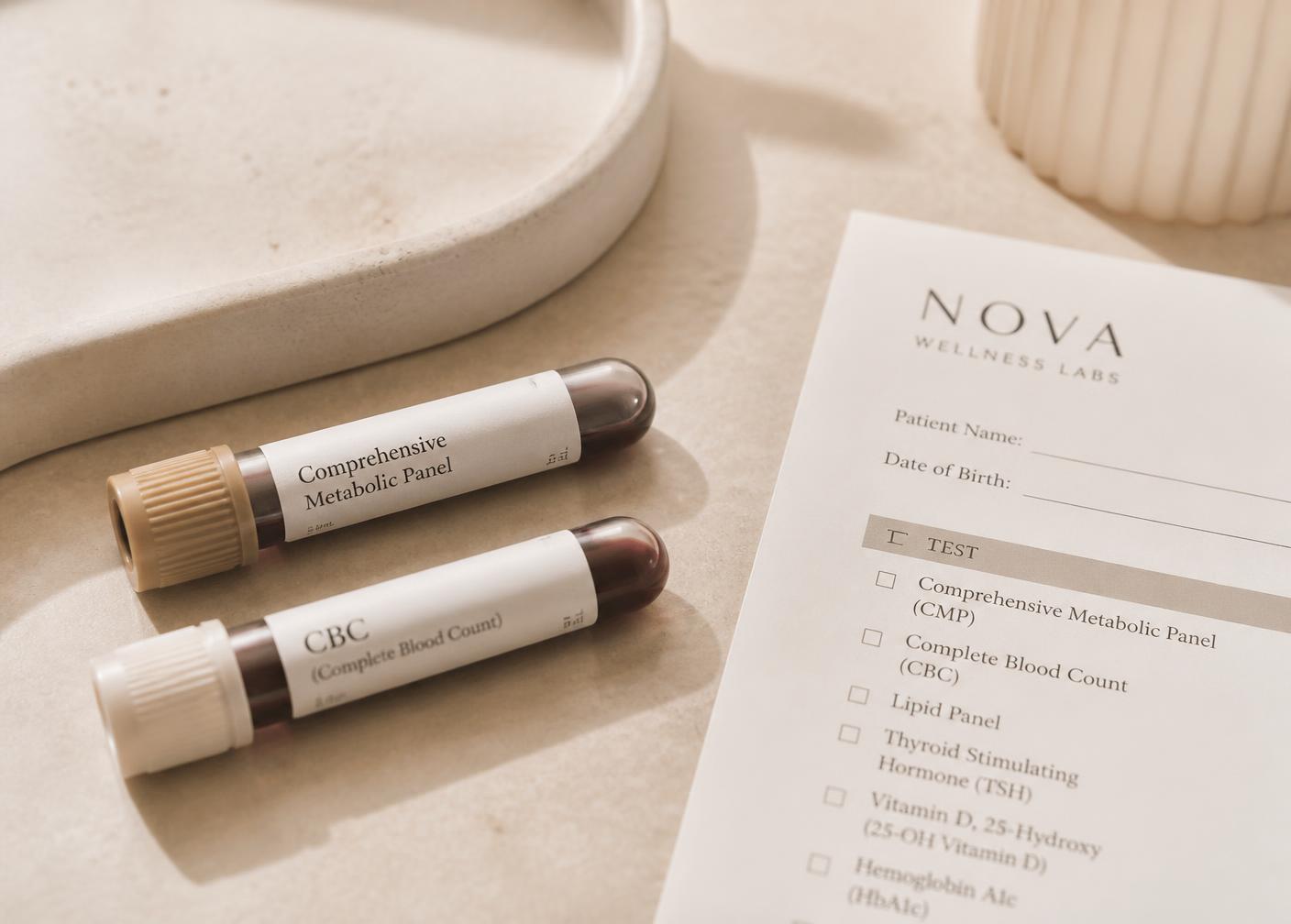
Complete thyroid blood panel vials prepared for advanced testing

Function first: what the nodule is doing

Every nodule evaluation starts with thyroid function — TSH, free T4, free T3, and antibodies — because an overactive ('hot') nodule is managed very differently from a nonfunctioning one.

Careful ultrasound interpretation

Size alone does not decide anything. Composition, margins, echogenicity, calcifications, shape, and lymph nodes together determine risk and whether a biopsy is warranted. Dr. Shah reviews imaging with you and explains what the report actually means.

Biopsy coordination when indicated

When ultrasound features meet criteria, fine-needle aspiration is arranged and the results are explained in plain language, including what a benign, indeterminate, or suspicious result means for next steps.

Structured surveillance instead of guesswork

Most nodules are simply monitored. You leave with a clear interval for repeat ultrasound and labs and a written sense of what change would matter — not an open-ended 'come back if it gets worse.'

Experience that keeps monitoring steady

With 40+ years in practice, Dr. Shah personally tracks your nodules across years of imaging, which is how meaningful change is spotted early.

This page is general health education about thyroid nodules and is not medical advice, a diagnosis, or a promise of any particular result. Treatment decisions, including any medication, are made individually during a visit.

Next step

When to see a thyroid specialist

Consider a focused evaluation in Diamond Bar if any of the following apply to you:

  • You can feel a lump in your neck or someone noticed one.
  • A nodule was found incidentally on a CT, MRI, or carotid ultrasound.
  • You have hoarseness, swallowing difficulty, or neck pressure.
  • A nodule has grown between ultrasounds.
  • You have a family history of thyroid cancer or prior neck radiation.
  • A neck lymph node is enlarged and does not resolve.

Answers

Thyroid nodules: questions patients ask

Are thyroid nodules cancerous?
The great majority are not. Roughly 90 to 95 percent of thyroid nodules are benign. Ultrasound features and, when indicated, a fine-needle aspiration biopsy are used to identify the small percentage that need further treatment.
Do all thyroid nodules need a biopsy?
No. Biopsy is guided by ultrasound characteristics and size, not by the presence of a nodule alone. Small nodules with reassuring features are usually monitored with repeat ultrasound, while nodules with suspicious features are biopsied even at smaller sizes.
Can thyroid nodules go away on their own?
Fluid-filled cysts sometimes shrink or resolve, and some nodules stay the same size for decades. Solid nodules usually persist. Because a stable nodule is reassuring, tracking size over time is a meaningful part of the evaluation.
Do thyroid nodules cause symptoms?
Most cause none and are found incidentally. Larger nodules can create neck pressure, swallowing discomfort, or hoarseness, and an overactive nodule can cause palpitations, tremor, and weight loss.
How often should thyroid nodules be rechecked?
Repeat ultrasound is commonly performed at intervals of 12 to 24 months for nodules with reassuring features, with sooner recheck if the nodule grows or symptoms change. Your specific interval depends on the ultrasound findings and any biopsy result.
Does a nodule mean my thyroid is not working?
Not necessarily. Many patients with nodules have completely normal thyroid hormone levels. That is why function testing is done separately from imaging.

Written and reviewed by Dr. Hitendra H. Shah, MD. Last updated: August 11, 2026.

Diamond Bar, California

Get a clear answer about Thyroid nodules

Request an appointment with Dr. Hitendra H. Shah, MD at our Diamond Bar clinic and start with a complete thyroid and hormone evaluation.

CallRequest Appointment